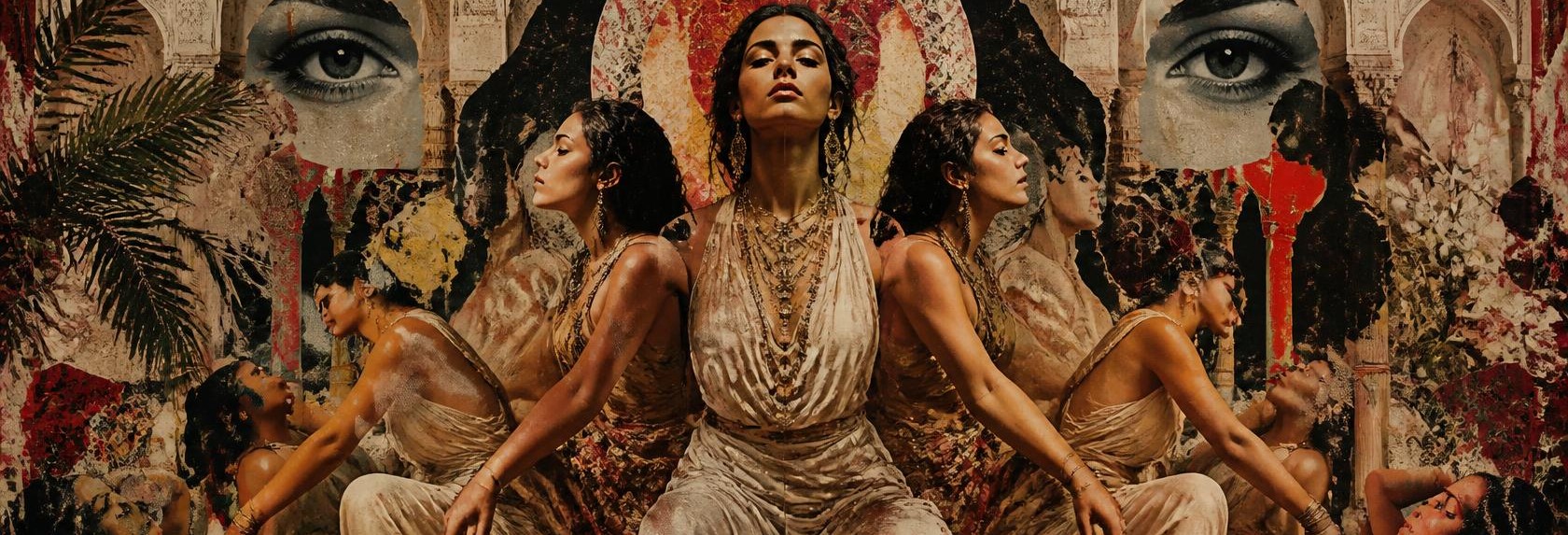
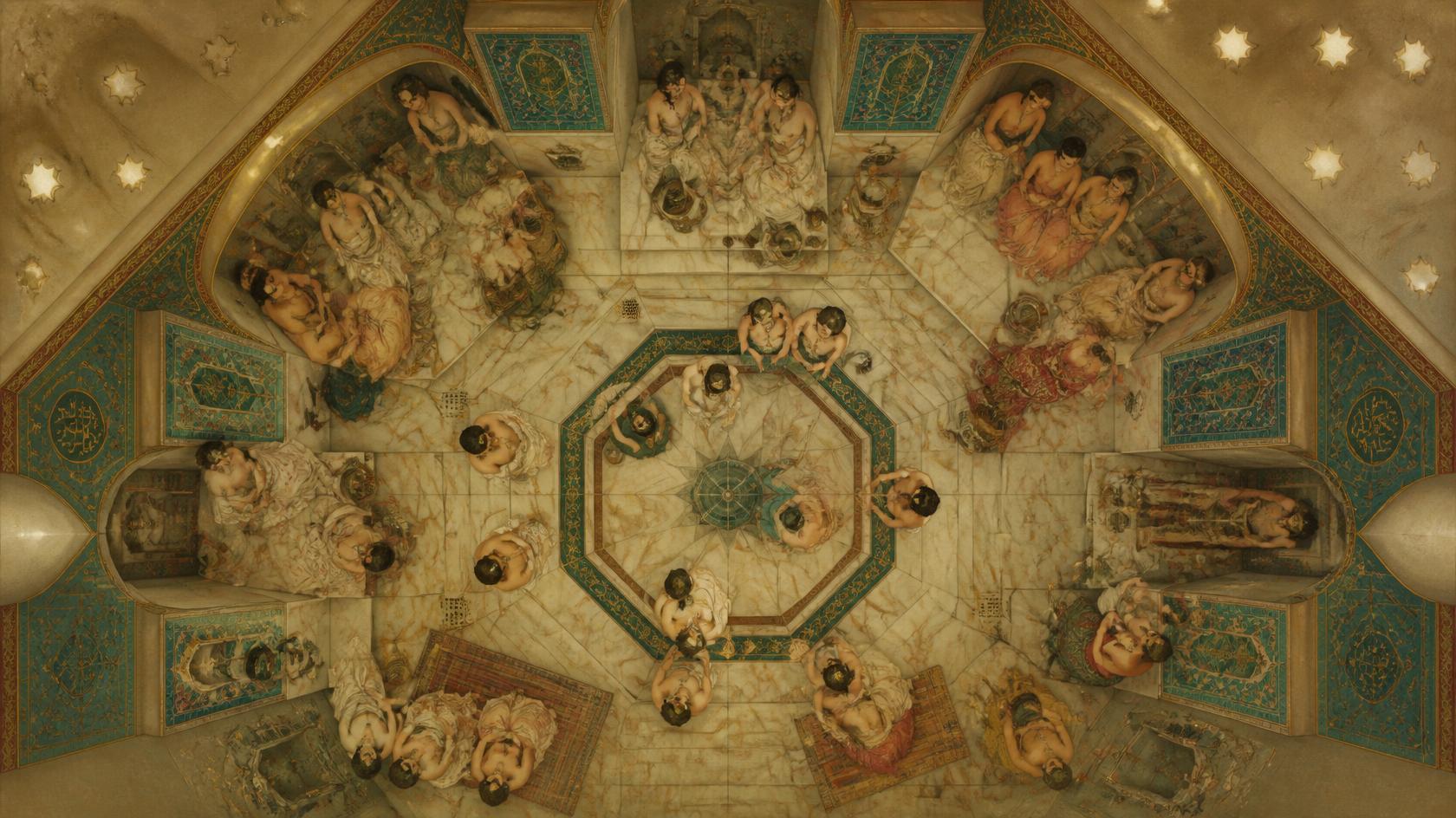
"Perception and Agency in Shared Spaces of Contemporary Art," compiled by Cristina Albu and Dawna Schuld, occupies a strategically important position in academic literature due to its examination of the interaction between contemporary art and the viewer through the lens of phenomenology, cognitive science, and social theory. The work is significant because it elevates the art object beyond being merely an object to be viewed, treating it as a dynamic process constantly reconstructed through the viewer's perception and agency. This compilation, which questions the sharp boundaries between traditionally considered opposing concepts such as visuality and action, feeling and thinking, and subjective experience and social belonging, offers a new theoretical framework for understanding the transformative power of art in the modern world. The book's content focuses on how contemporary artists position the viewer not merely as a passive observer, but as an actor directly involved in the meaning-making process of the artwork. The texts, shaped by contributions from various authors, analyze how artworks, ranging from spatial installations to digital art, manipulate or redefine our ways of feeling, thinking, and acting. The emphasis on shared spaces, in particular, explains with phenomenological depth how art is a social encounter rather than an individual experience, and how perceptual processes in these spaces trigger collective consciousness. The main value of this work lies in its argument that art is not merely an object of aesthetic appreciation, but also a political and cognitive tool that regulates the relationship between humans and their environment and other people. This collection of articles, which places the viewer's bodily presence and mental processes at the center of art, is a fundamental resource for those who want to understand why contemporary art practices are becoming increasingly interactive and experience-oriented. This approach, which views the artwork as a "field of action," provides a groundbreaking theoretical foundation for both art historians and artists to explore the limits of viewer perception.
Click here to read the full article.