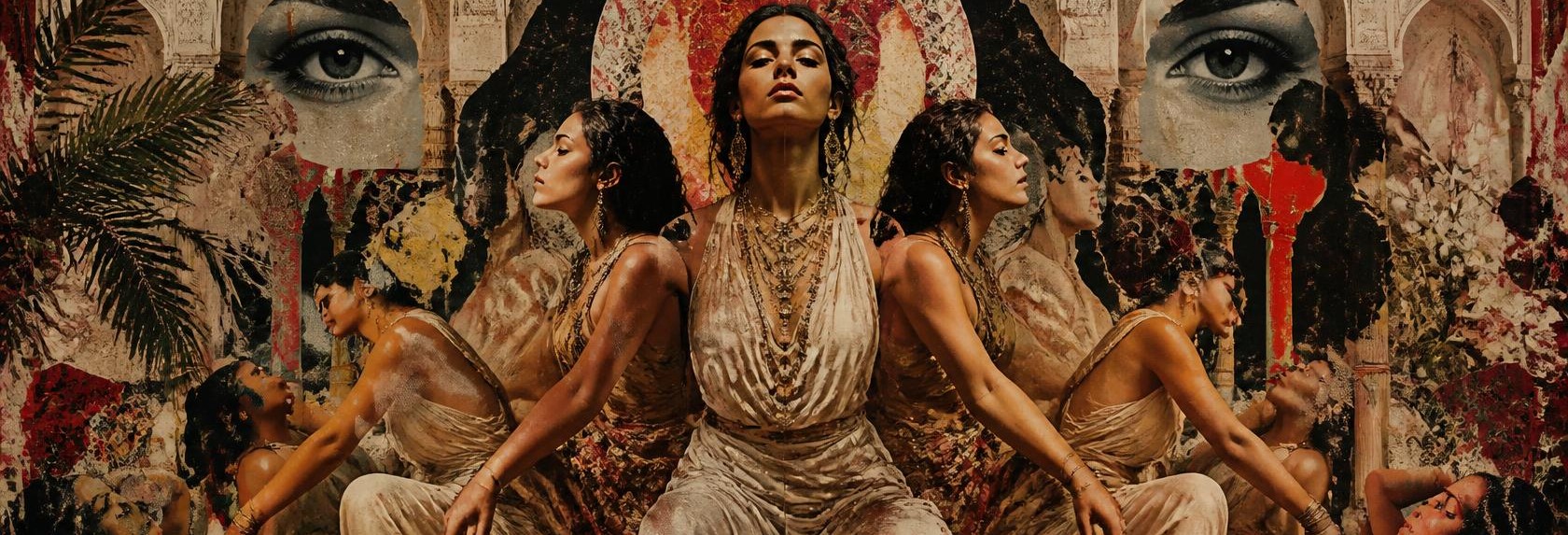
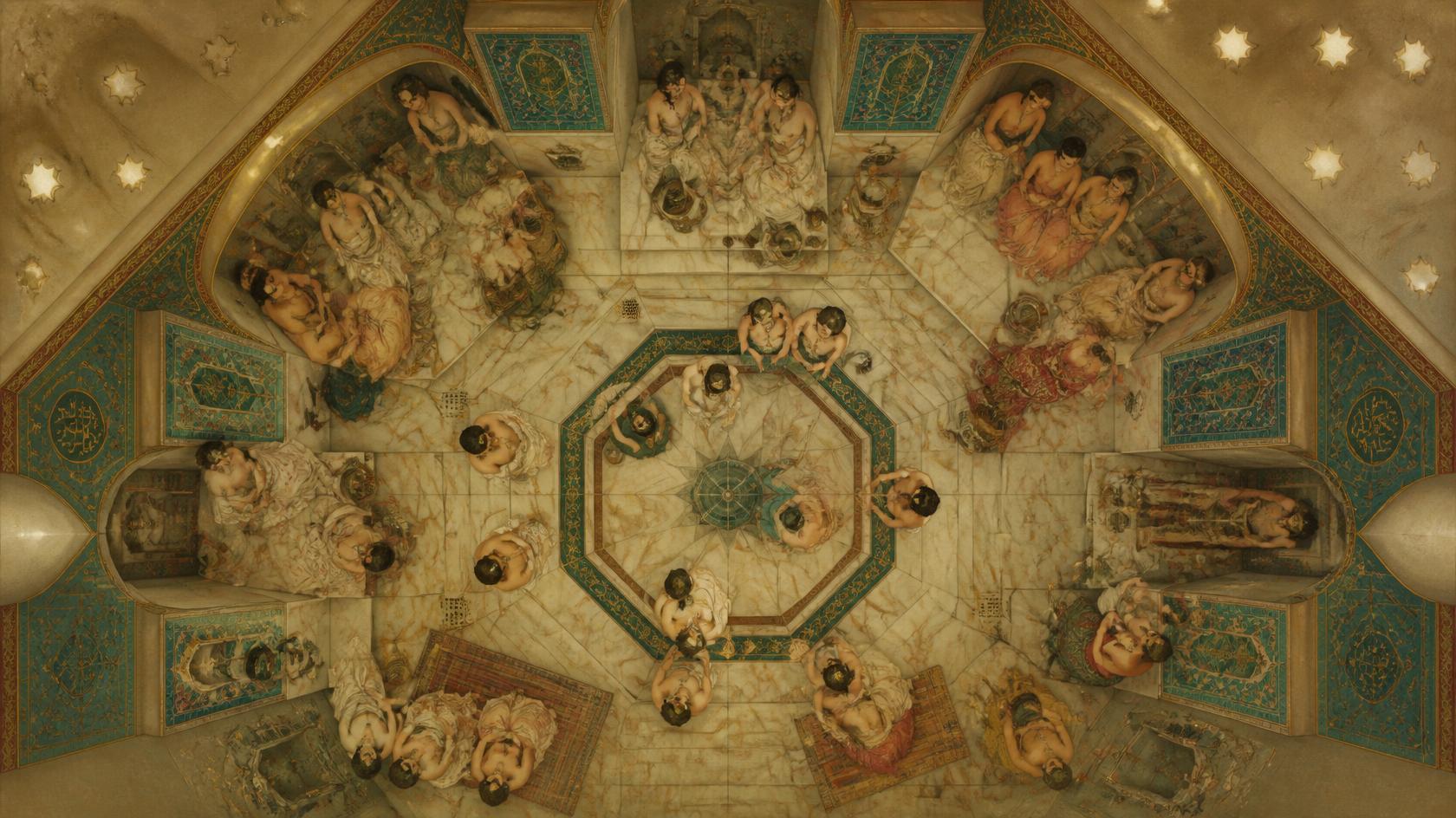
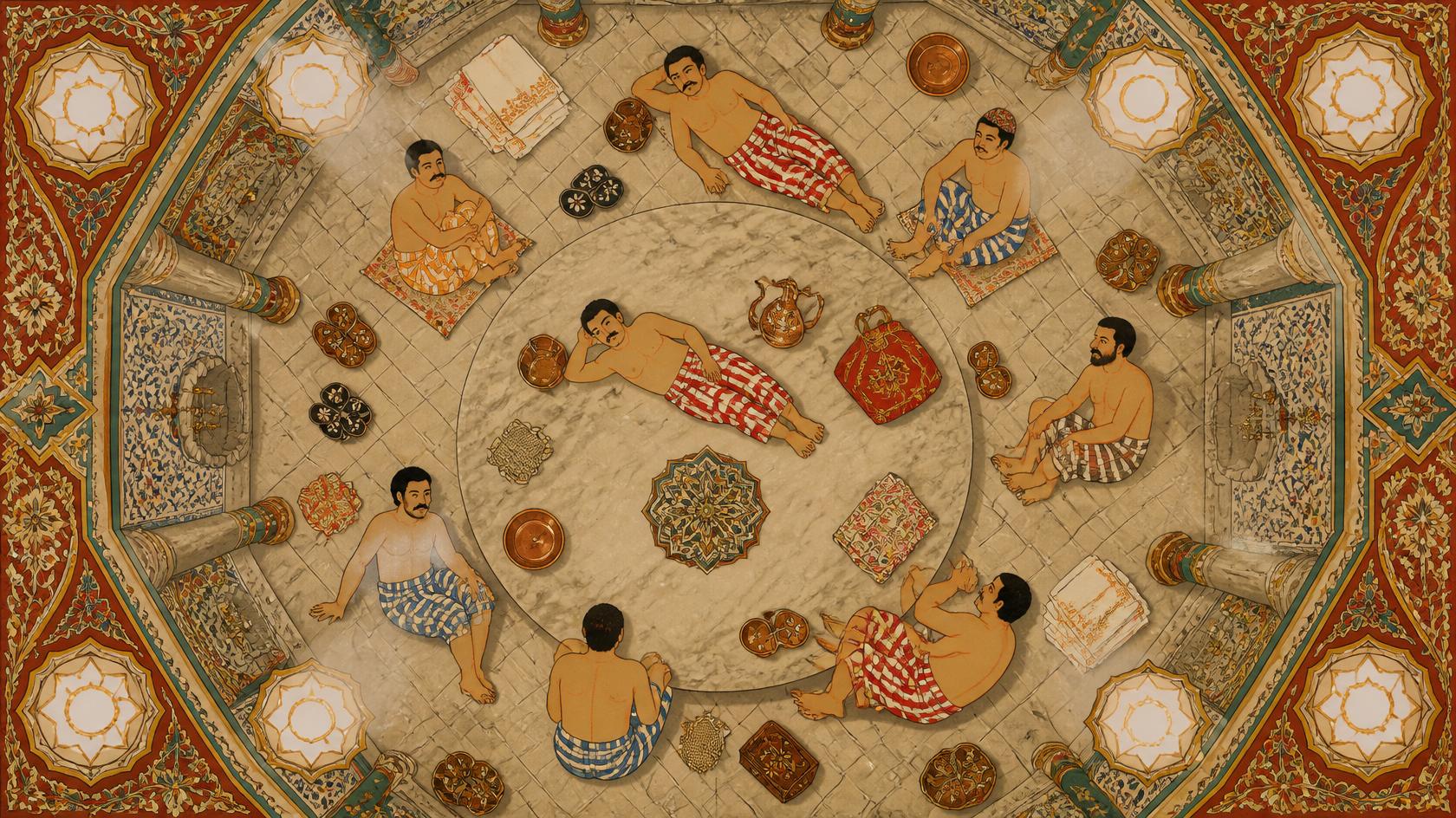
This academic study, titled "Contemporary Miniatures: A Visual Language for Expressing Women's Issues in a Social Context" and written by Hanan Saud Al-Hazza, is of great importance in that it demonstrates how the miniature — a traditional art form — has been transformed into a powerful, contemporary language for voicing today's social issues, and women's issues in particular. The article comprehensively addresses the fact that miniature art is not merely a historical heritage but, with its flexible and symbolic structure, offers an innovative field of expression for modern artists.
The content of the study focuses on how contemporary women artists convey their experiences in their own societies, or in the countries to which they have migrated, by using traditional miniature techniques and aesthetic rules. The author analyses how the distinctive visual features of miniature art — the hierarchical use of space, meticulous detail and symbolism — become a means of telling women's stories, emotions and the social pressures they face. In particular, examinations of the work of leading artists such as Shahzia Sikander and Hayv Kahraman reveal how the miniature builds a bridge between tradition and modernity and gains a visual authority in a social context.
The true value of this article lies in its redefinition of miniature art within an academic framework and in carrying it to the centre of gender debates. The article argues that the visual arts do not pursue a merely aesthetic concern but can also become a political language addressing universal themes such as identity, belonging and the pursuit of rights. Showing that art can hold a mirror to current issues without severing its bond with the past, this study is a most valuable theoretical resource for both art historians and those interested in contemporary art practice as it explores the narrative power of the miniature.
Click to read the article
DOI: 10.21608/idj.2025.416772.1417