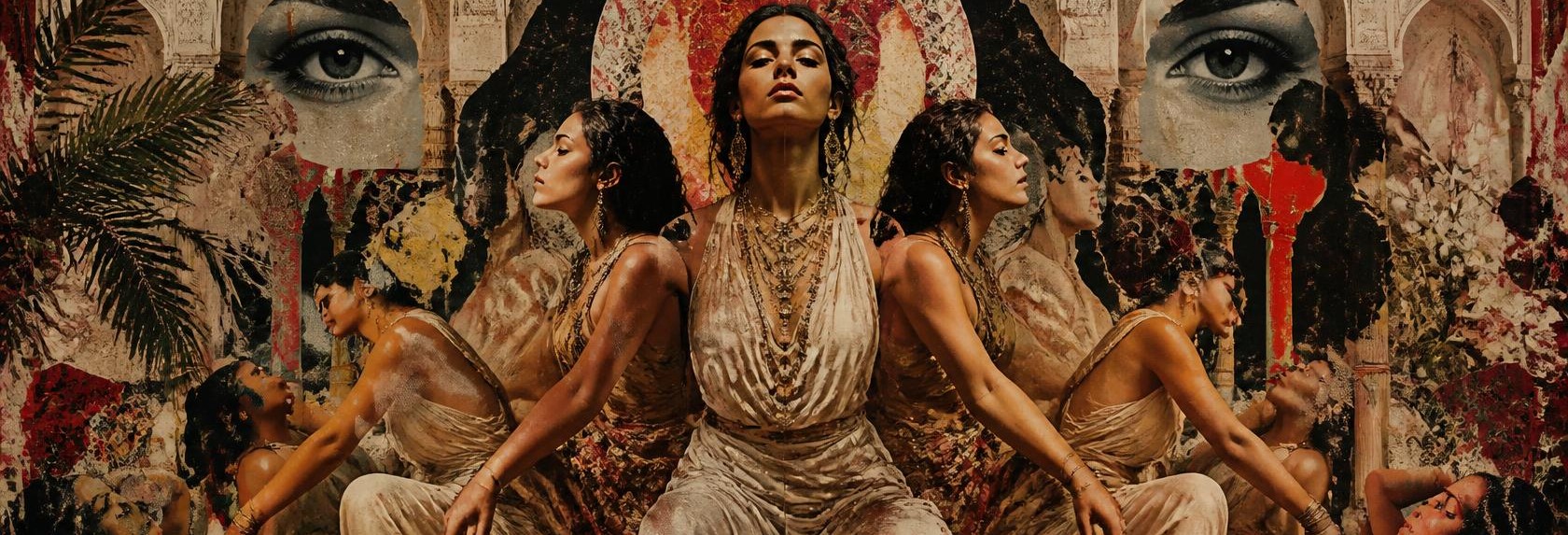
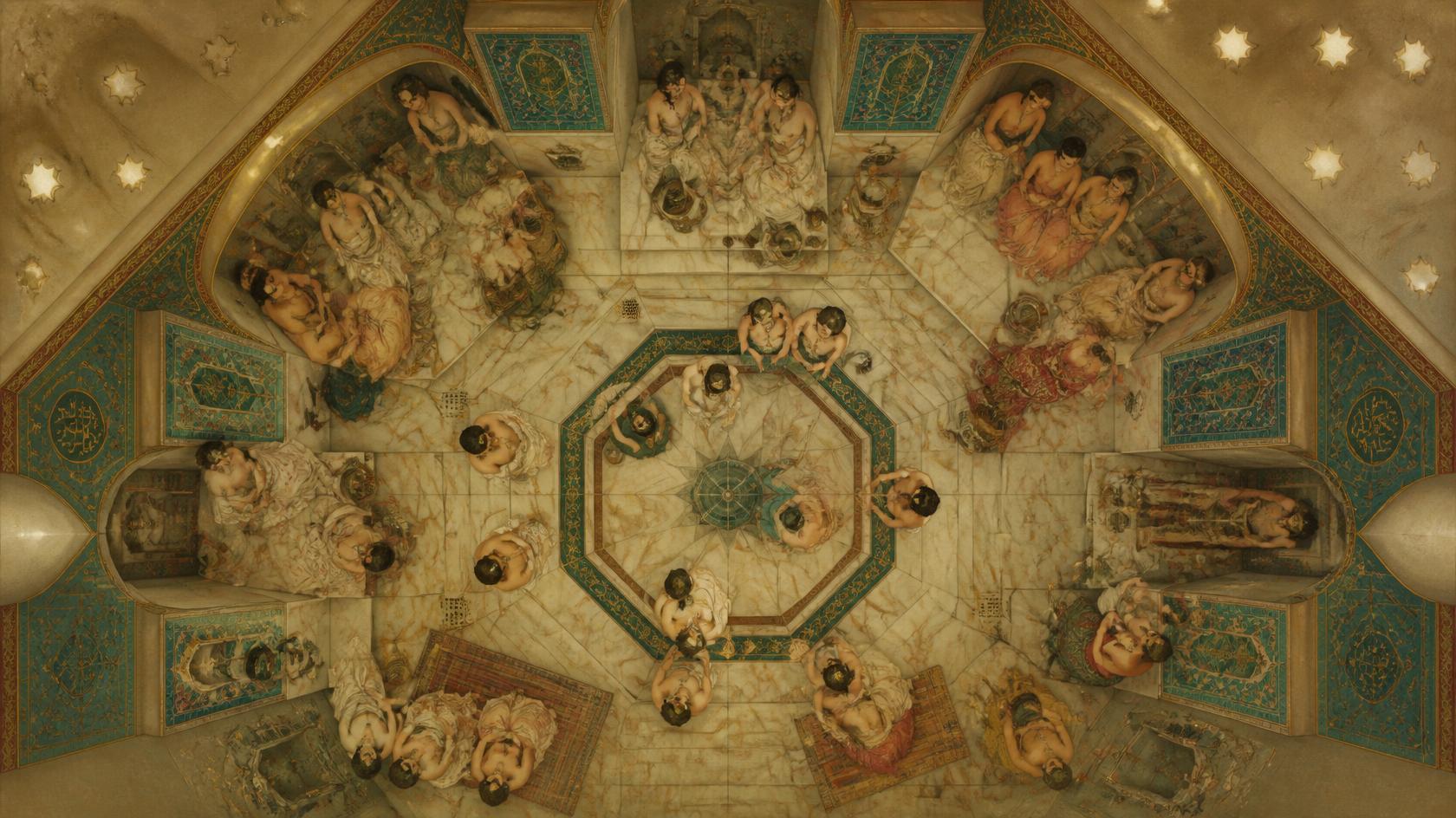
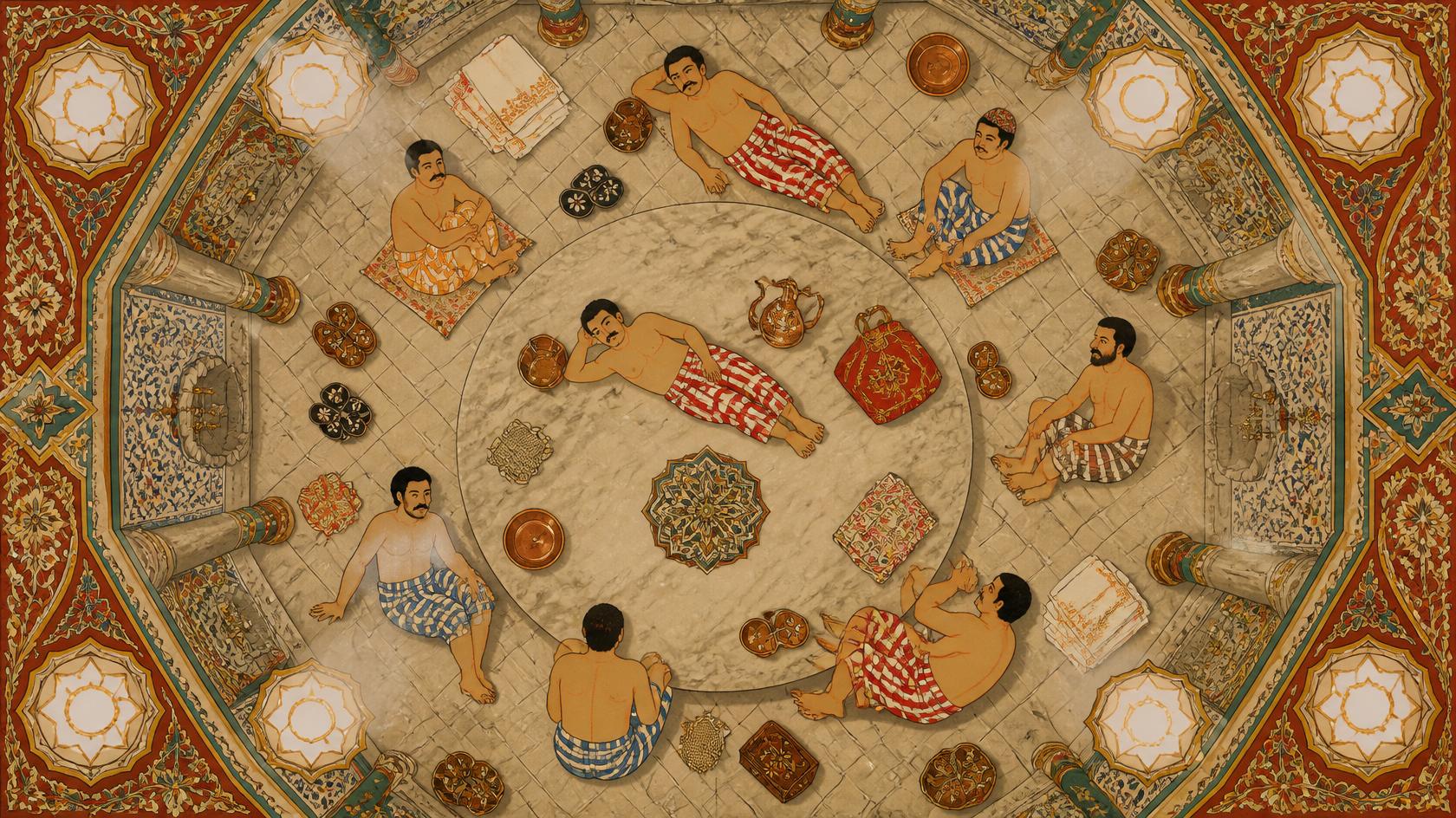
- For miniature art to become an innovative force on a global scale, it must cease to be seen as a historical relic and be integrated into the hybrid and changeable structure of modern art. The hybrid artistic language that emerges in this context combines the ancient aesthetic codes of the local with the conceptual depth of the global art world. By carrying the delicate brushwork and meticulous detail of the miniature's micro-world into the large-scale canvases or installations of modern art, the artist transforms this discipline into a spatial experience. This approach proves that the miniature can be not only a book art but also a monumental and public form of expression.
One of the most striking examples of this process of hybridisation is embodied in the work of Imran Qureshi. Using the patient, meticulous elements of the traditional Mughal miniature technique, Qureshi works themes as opposed as violence, peace and hope across broad surfaces. His large works, created with acrylic on canvas, present the viewer with the miniature's famous obligation to “look closely” through a monumental effect that can also be perceived from a distance. The transformation of the vegetal motifs of the traditional miniature, with a post-modern approach, into abstract forms reminiscent of splashes of blood reveals the jarring yet equally aesthetic power of the bond established between tradition and the contemporary. Ultimately, such innovative approaches push the miniature beyond its own boundaries, turning it into a hybrid and powerful language that bears witness to universal issues on the world art platform.
Click to read the article
DOI / Source: https://doi.org/10.21602/sduarte.1661259