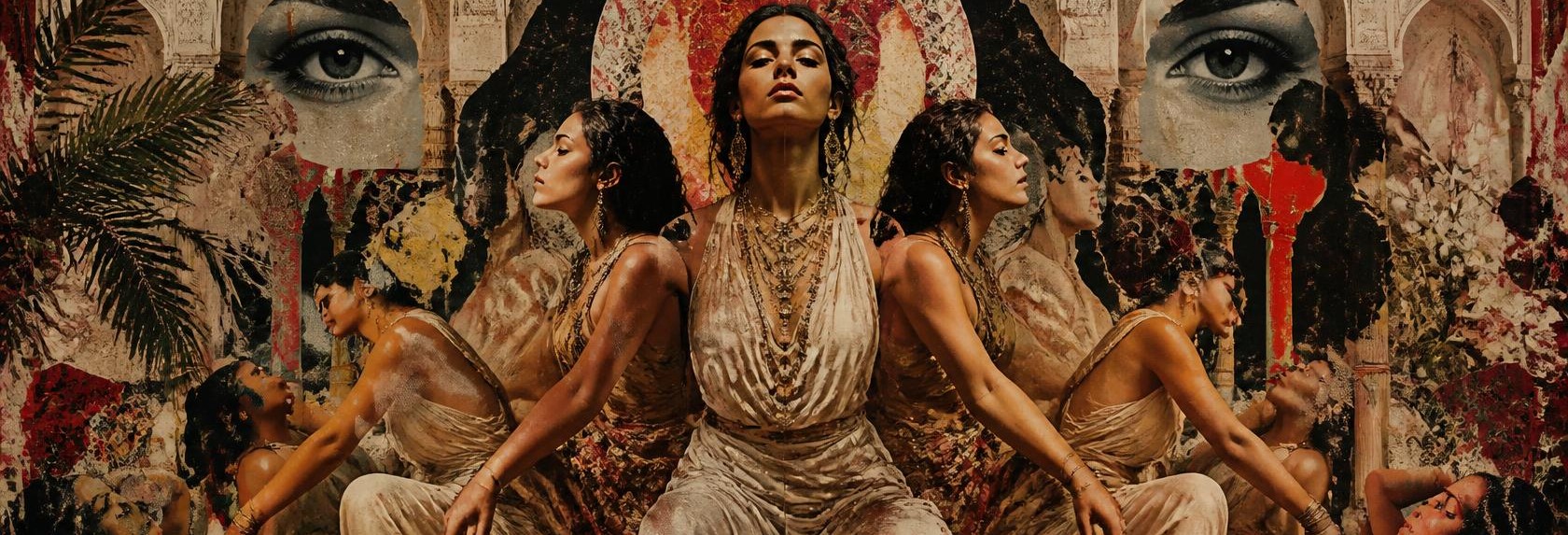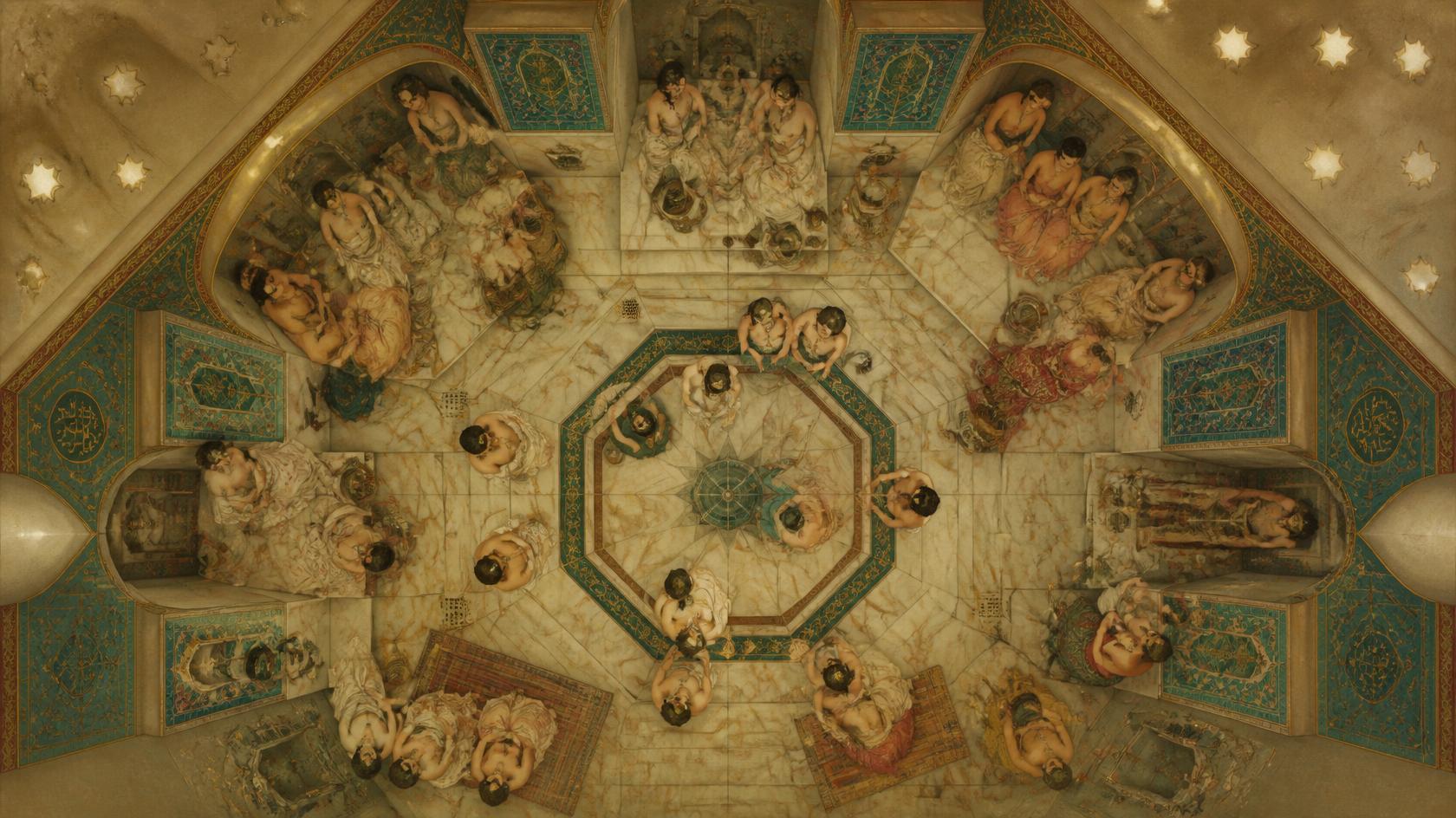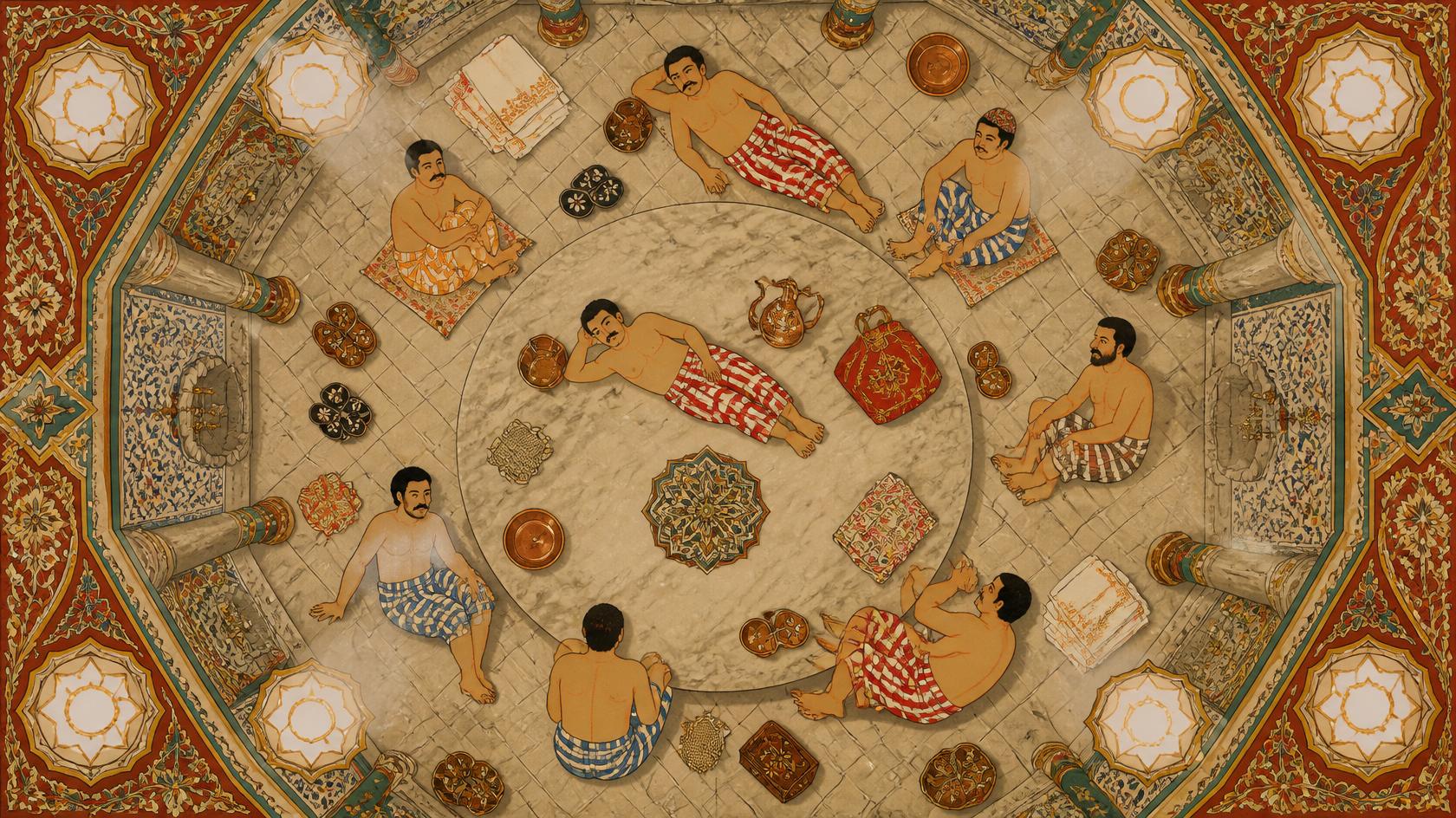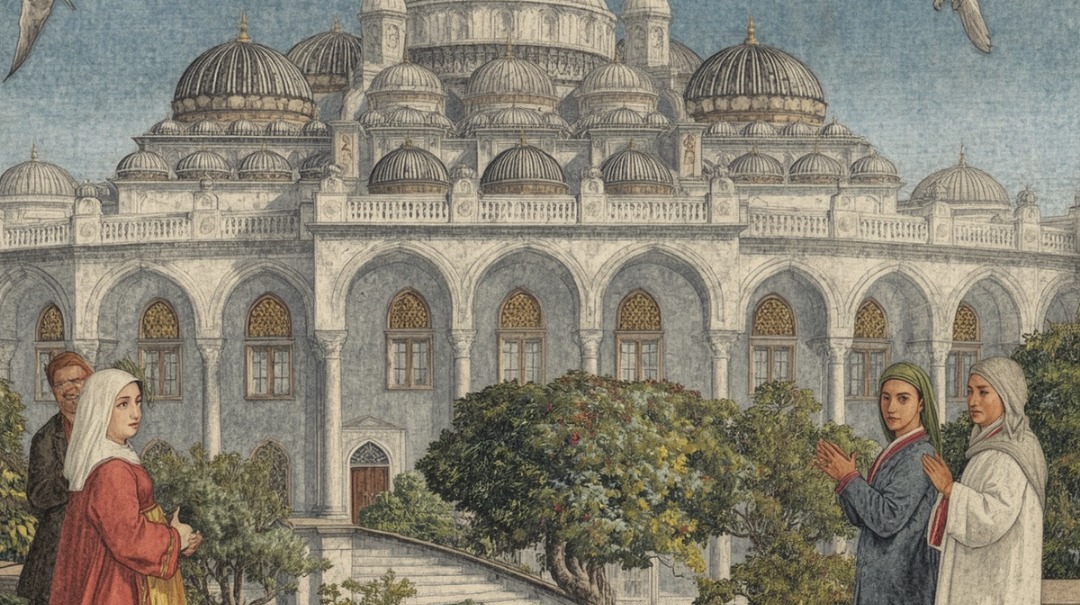
Importance: Turkish miniature art is not only an aesthetic language distilled from the depths of Anatolia's deep-rooted culture, but also a unique historical document that records the social and political life of its era in all its nakedness. Unlike examples from other parts of the Islamic world, the realistic style at the heart of the Turkish miniature has carried every element — from wars to festivities, from court life to everyday detail — into the future as a record of visual memory. This foundation of realism, in the hands of today's artists, merges with the complex structure of the modern world to become a multidimensional synthesis. Without abandoning the distinctive imagery of the traditional miniature, artists blend this ancient language with the cultural tensions between West and East and with the new aesthetic forms brought about by modern life.
This approach, seen in contemporary works, takes the miniature beyond being a mere decorative element and turns it into a powerful actor that sheds light on today's sociological issues, social transformations and individual testimonies. The figurative language and compositional construction of the past become a strategic reference point that the artist uses while interpreting today's social reality. Thus the works, while tracing the traces of tradition, also turn into documents of social testimony that speak to the problems of the present age. This academic approach, while emphasising the historical continuity of the miniature, also grounds how this art form, within the flexible structure of contemporary art, remains a living and dynamic force that reflects society.
Click to read the article